
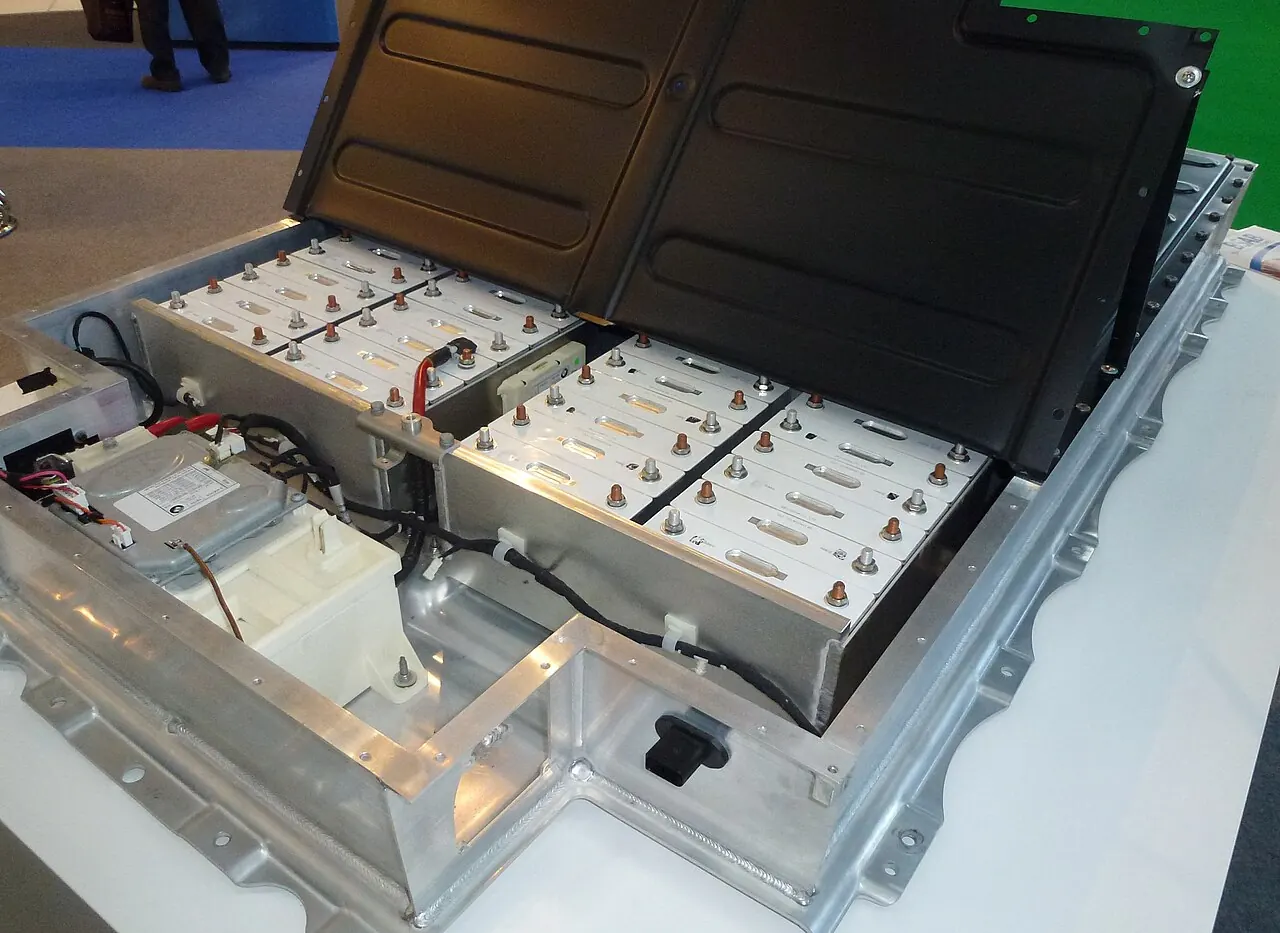
Shipping lithium batteries by air involves more than battery weight and quantity. Chemistry, capacity, condition, and whether batteries are packed with equipment or installed inside it affect assessment and acceptance. The potential for heat, short circuits or fire explains the special requirements for these shipments.
Mobile-phone, laptop, power-tool, power-bank and industrial-equipment batteries may fall within these requirements. Commercial cargo rules differ from passenger baggage rules; this article concerns commercial shipments.
Three main battery configurations
- Standalone batteries: Batteries shipped without equipment, such as cartons of batteries or power banks.
- Packed with equipment: Batteries separate from the device but packed together with it.
- Contained in equipment: Batteries installed inside the device.
The instructions and conditions are not identical for these configurations. Provide product photographs and an accurate packaging description before requesting a quote.
What is the difference between UN3480 and UN3481?
UN3480 applies to standalone lithium-ion batteries. UN3481 applies to lithium-ion batteries packed with or contained in equipment. Despite sharing a UN number, these two configurations do not necessarily use the same packing instruction.
These numbers do not cover every battery chemistry. Lithium-metal batteries have different classifications. The final UN number and instruction must match the actual battery type and shipment configuration.
Can standalone batteries travel on passenger aircraft?
Standalone lithium-ion batteries classified as UN3480 are normally prohibited as cargo on passenger aircraft. Carriage on cargo aircraft also depends on compliance and service acceptance. Do not extend this restriction to every device containing a battery.
State of charge, quantity and packaging may also be restricted. Applicable limits and exceptions must be assessed for the specific shipment under the rules in force at dispatch; a single general figure does not cover every case.
What information and documents are needed for acceptance assessment?
- Manufacturer, model and battery chemistry;
- Capacity in watt-hours (Wh) for rechargeable batteries, or information appropriate to the battery type;
- Cell or battery quantity, weight and configuration relative to equipment;
- UN number and packaging configuration, if known;
- The UN 38.3 Test Summary where required;
- Package dimensions and weights, origin, destination and ready date;
- Dangerous-goods documents where required.
The UN 38.3 test summary is not the same as an SDS. Obtain testing documents from the manufacturer or distributor. An SDS is not a universal requirement for every battery or device and does not replace the test summary or classification assessment. Additional technical information may be requested for the initial review.
Declare battery condition and packaging accurately
State from the outset whether batteries are new, used, damaged, defective or recalled. Acceptance of an ordinary shipment does not establish acceptance of damaged or returned batteries. Short-circuit and accidental-activation protection, packaging, markings and documents depend on the goods' condition.
How is lithium-battery air freight priced?
Battery type, capacity, quantity, package weight and volume, route and service affect the rate. Special packaging, document checks and dangerous-goods handling may incur separate charges. Clarify the service scope and exclusions before comparing quotes.
Confirm acceptance before handing over the shipment
A flight route or preliminary quotation does not confirm battery acceptance. Nikco Logistics reviews cargo specifications and documents to assess an acceptable service. For the overall process, see the dangerous-goods air freight guide and our air freight services page.
Sources and review date
Public sources reviewed: IATA's official battery guidance and IATA's dangerous-goods FAQs. Reviewed: 26 October 2026. Each shipment's acceptance is checked against applicable regulations and airline restrictions at dispatch.