Road + Sea
Factory → Truck → Port → Ship → Destination Port → Receiver

International shipping services / SERVICE SELECTOR
The choice starts with cargo and route; Not from the name of the service.
Time, weight and volume, origin and destination, type of goods, customs restrictions, equipment and delivery conditions determine whether land, sea, air, rail, project or combined shipping is more suitable.
Main methods carry
Each service has its own specialized page. Here you can see their main difference side by side.
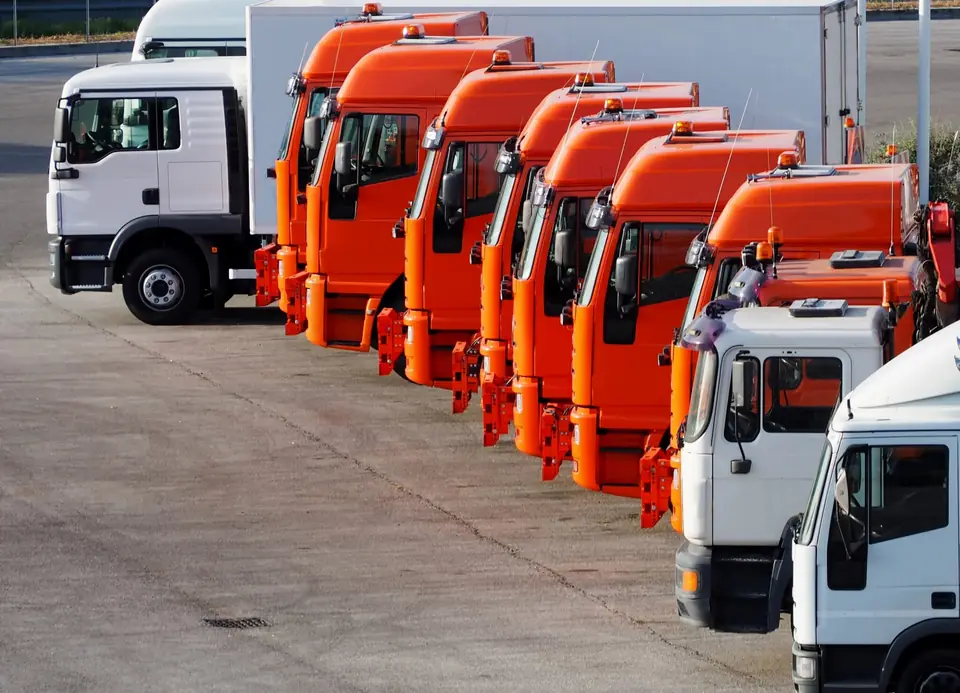
 ROAD / FTL / LTL
For regional routes, full truckloads, commercial LTL, machinery, heavy and oversized cargo.
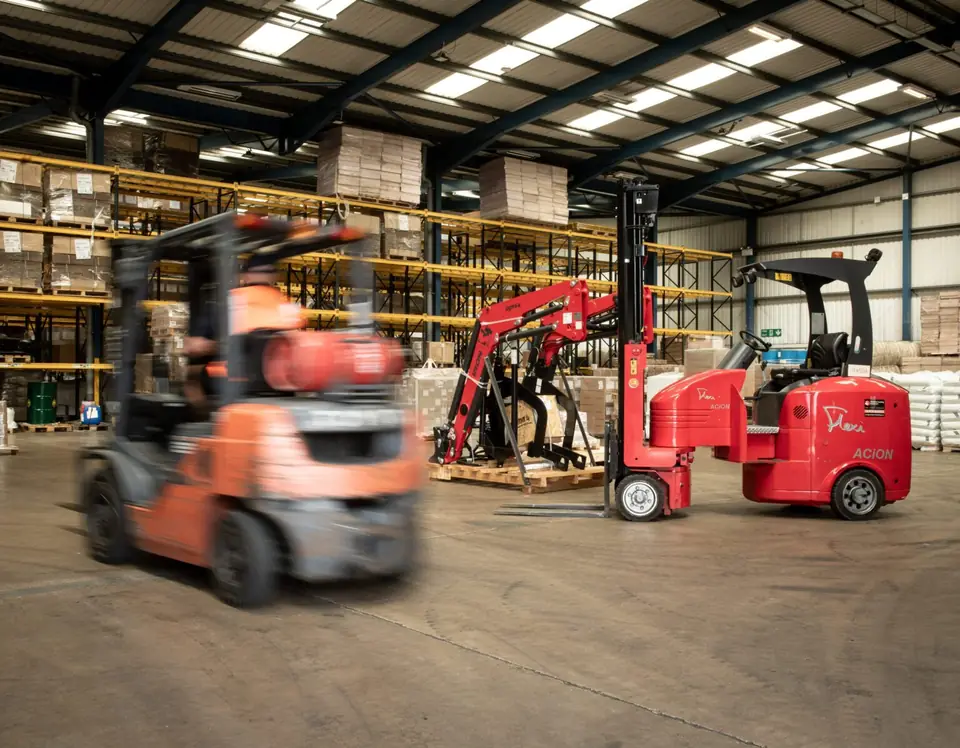
View ground freight ↘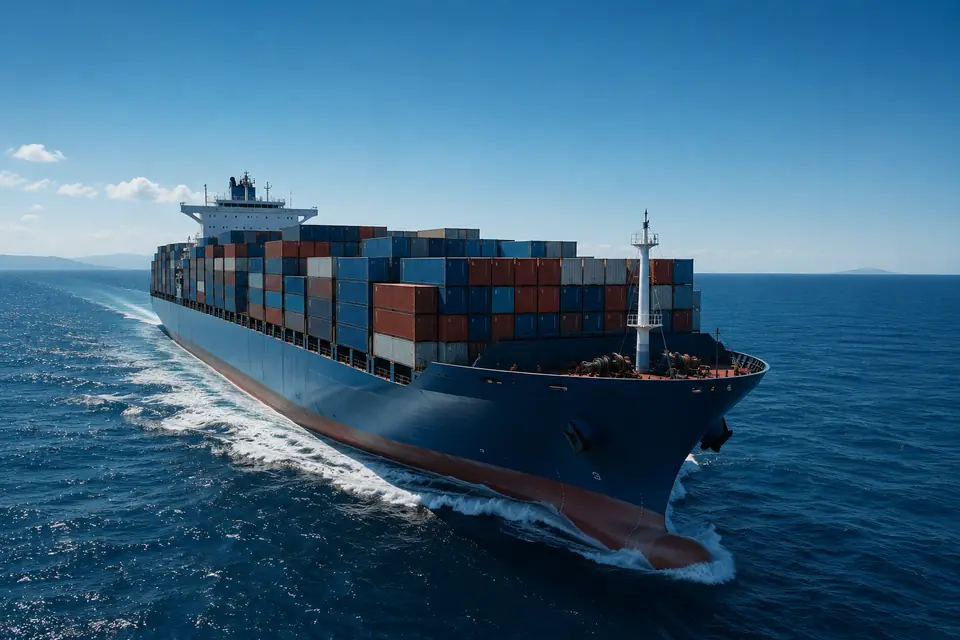 SEA / FCL / LCL
For commercial container, high volume, special container, OOG and breakbulk.
View sea freight ↘ AIR / TIME-CRITICAL
For urgent parts, time-sensitive equipment, commercial samples and high-value cargo.
View Air Freight ↘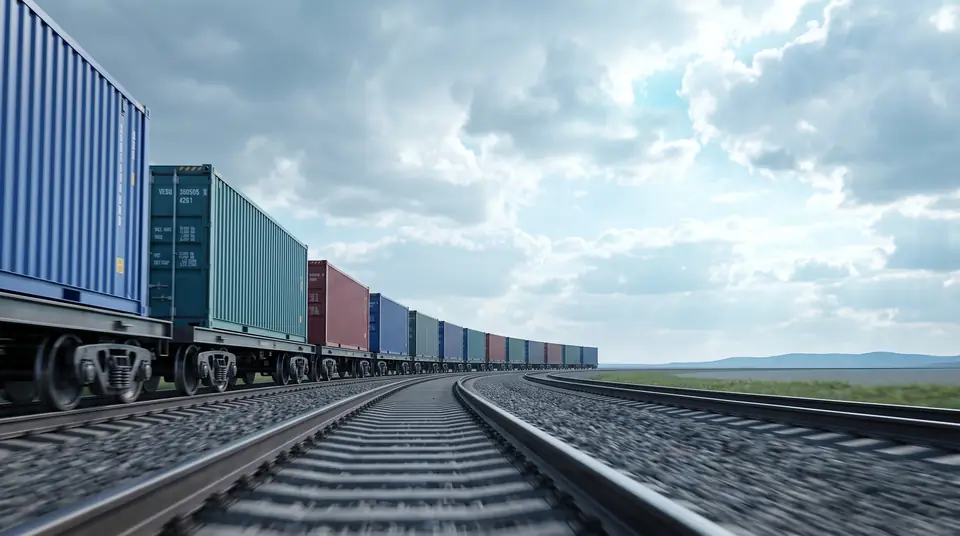 RAIL / CORRIDOR
For suitable volume, industrial cargo and corridors that respond to the network and terminal.
Observation of rail transportation ↘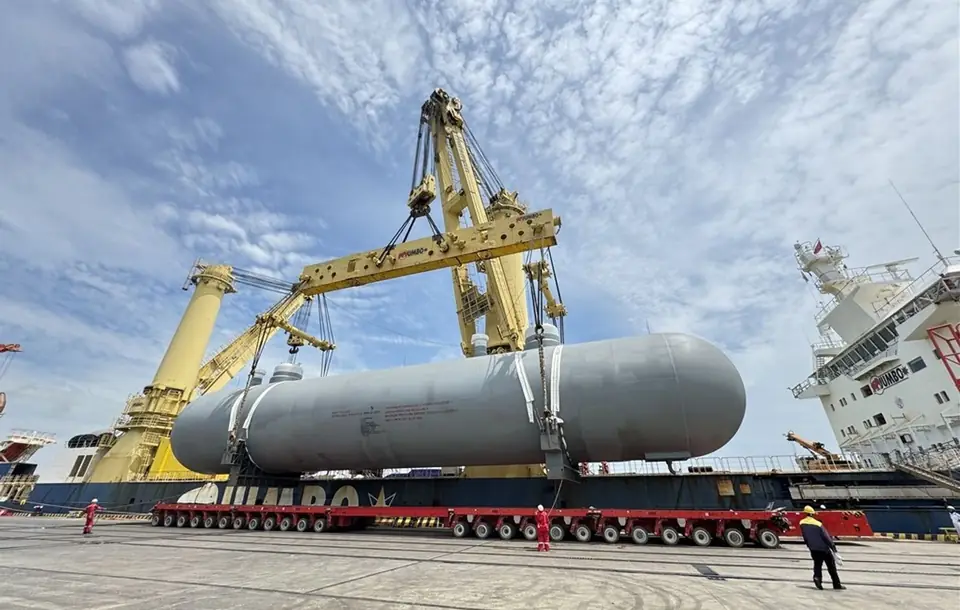 PROJECT / OOG
For heavy cargo, oversized cargo and cargoes that require technical review before the rate.
Observation of project transportation ↘MODE SELECTOR
The right shipping method is chosen when it measures time, capacity, access and total cost at the same time with the actual characteristics of the goods.
| Decision criteria | SEAMarine transportation | AIRAir transportation | ROADRoad transportation | MULTICombined transport |
|---|---|---|---|---|
| Best Application | bulk, container, machinery and intercontinental routes | urgent, time-sensitive or high value-to-weight cargo | regional ground routes and direct door-to-door commercial freight | routes where a single method provides full coverage does not |
| relative time | medium to long term; depending on ship schedule and route | shortest time for serviceable routes | short to medium term; Dependent on border and distance | Dependent on coordination and connection between multiple services |
| Capacity and flexibility | High capacity and various options for general and special cargo | More limitation in dimensions, weight and acceptance of goods | High flexibility in loading, destination and schedule Movement | Possibility of combining high capacity with land or rail access |
| Determining factor | Unit cost more suitable for high volume | Delivery time more important than transportation cost | Direct access and reduction of intermediate transfers | Complete route coverage and transfer point management |
The final choice should be made based on the type of goods, origin and destination, acceptable time, volume, operational constraints and total cost; Sometimes the right answer is a combination of several transport methods.
Combined and multimodal transport
When one method alone does not provide the best balance of time, cost and access, several networks are connected in a chain. The point of transfer is more important than the number of devices.
Factory → Truck → Port → Ship → Destination Port → Receiver
Loading place → Rail terminal → Train → Destination terminal → Truck
Connection of multiple networks in corridors where the direct route is not the answer.
Connection of sender and receiver doors to the origin and destination airports.
Services Support
Checking border, documents, goods restrictions and daily conditions for connecting Turkey, southern ports, Central Asia and Caucasus.
Viewing routes ↘Receiving multiple suppliers, temporary storage, package control, Consolidation and preparation for the next shipment.
Export documents, transit, goods documents and coordination with brokers based on the scope of each case.
Separation of the operator's responsibility from cargo insurance and early declaration of DG, battery, chemicals, temperature or oversize cargo.
Shipment request / NIKCO.LOG